
Essential Snowblower Checklist for Homeowners and Businesses
- Pro-Core Lawn
- Jan 4
- 4 min read

Owning a snowblower can be a game-changer during winter. Instead of struggling with a shovel, you can clear snow quickly and efficiently. However, like any equipment, your snowblower requires proper maintenance to perform at its best. This post will provide you with an essential maintenance checklist, emphasize the safety benefits of using a snowblower, and explain why it's a smarter choice over shoveling.
Why Choose a Snowblower Over Manual Shoveling?
Snowblowers are designed to make snow removal easier and safer. Shoveling snow by hand can be physically demanding and potentially dangerous, especially for older adults or those with health issues. According to the American Heart Association, snow shoveling can lead to heart-related problems due to the physical exertion involved.
Using a snowblower reduces the risk of injury and allows you to clear snow quickly, saving time and energy. Plus, you can maintain your property better without the exhaustion that comes from shoveling. Imagine the peace of mind knowing that you can handle winter storms effectively with ease.

Essential Snowblower Maintenance Steps
Regular maintenance can help extend the life of your snowblower. Here’s a checklist to keep your equipment in top shape:
1. Pre-Season Preparation
Before the first snowfall, make sure your snowblower is ready for action:
Inspect the Fuel System: Check the fuel lines and tank for leaks or cracks. If using gasoline, remember to use fresh fuel and consider adding a fuel stabilizer to prevent degradation.
Change Oil: Always refer to your manufacturer’s recommendations for oil change intervals. Non-detergent oil, such as 5W30, is often recommended.
Examine the Spark Plug: Clean or replace the spark plug to ensure your snowblower starts easily. Look for signs of wear, like corrosion or cracking.
2. Adjust the Auger and Drive Belts
Worn-out belts can reduce the effectiveness of your snowblower:
Check for wear and tear on auger and drive belts. Replace any belts that are frayed, cracked, or damaged.
Adjust tension where necessary to ensure efficiency during operation.
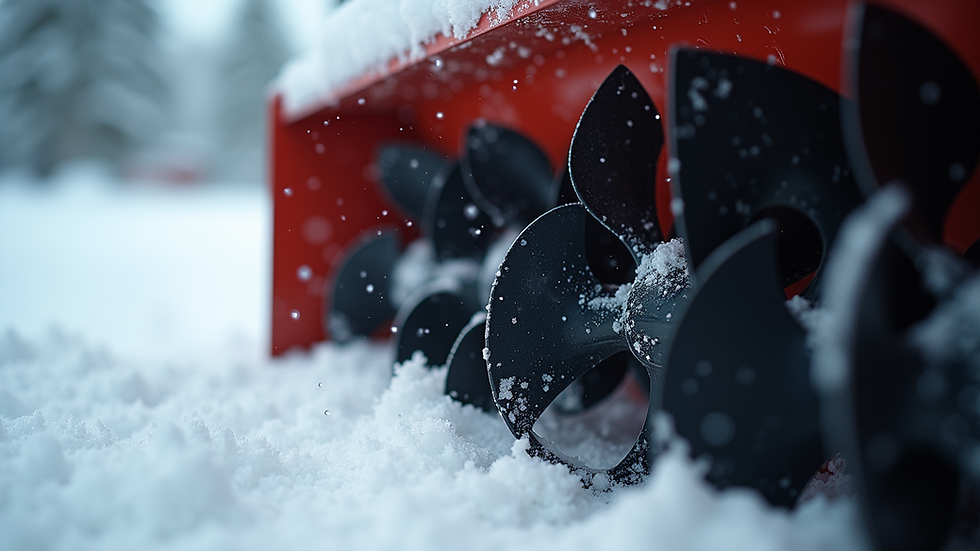
3. Maintain the Blades
The blades are crucial for snow removal:
Inspect the auger blades for sharpness and damage. Dull blades can hinder performance.
Sharpen or replace blades as needed to ensure effective snow clearing.
Safety Tips for Snowblower Use
While snowblowers are safer than shoveling, it’s essential to use them correctly:
1. Dress Appropriately
Ensure you wear suitable clothing:
Bundle up in warm layers to protect against the cold.
Use sturdy, slip-resistant boots to reduce the risk of slips and falls.
2. Start Safely
Follow these procedures before starting your snowblower:
Review the Owner's Manual: Familiarize yourself with the controls.
Clear the Area: Make sure the area around the snowblower is free of obstacles like toys, branches, or other debris.
3. Use Caution with the Chute
Blocked chutes can be a hazard:
Never put your hands in the chute to clear snow. Instead, turn off the snowblower and use a stick to remove the blockage.
Aim the chute away from sidewalks and driveways to prevent blowing snow back onto cleared areas.
Benefits of Using a Snowblower
Snowblowers present several advantages over manual shoveling.
1. Time-Saving Solution
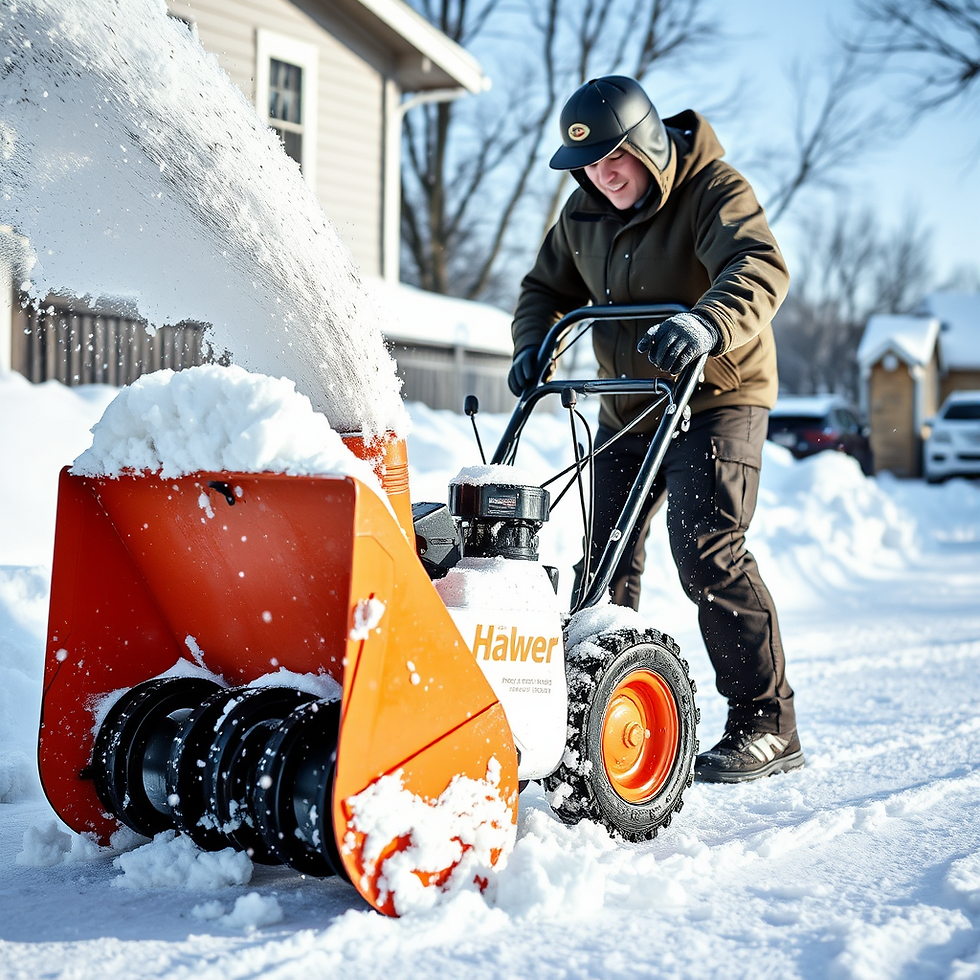
With a snowblower, you can clear a significant area in just a fraction of the time it takes to shovel. Home and business owners who need to maintain larger areas appreciate the efficiency a snowblower provides.
2. Less Physical Strain
Operating a snowblower requires less physical exertion compared to shoveling. You can stay warm and comfortable indoors as you manage snow removal from the convenience of your equipment.
3. Improved Safety
The risk of injury from slips or falls during shoveling is high. By using a snowblower, you minimize this risk, protecting your health while keeping paths, driveways, and parking lots clear.
Ongoing Maintenance Tips
To maintain optimal performance throughout the winter season, consider these ongoing maintenance tips:
1. Weekly Inspections
During the winter months, you should regularly check:
Fuel levels: Always have enough fuel on hand before a storm.
Belt tension and condition: A small issue can turn into a larger problem if not addressed.
2. End-of-Season Care
After the winter season is over, don’t neglect your snowblower:
Clean the Snowblower: Remove snow and dirt, and dry it properly.
Service the Equipment: Consider an extensive check-up, including replacing oil and checking parts, so it’s ready for the next winter.
3. Store It Right
Once the snow has melted, improper storage can lead to problems:
Store your snowblower in a dry, sheltered place to avoid rust and weather damage.
Consider covering it to protect against dust and damage.
Keeping Your Snowblower in Tip-Top Shape
Following this essential snowblower checklist will help ensure you are prepared for whatever winter throws your way. From pre-season checks to ongoing maintenance, taking care of your snowblower is straightforward. By relying on this powerful tool, you avoid the risks associated with shoveling and can tackle snow removal safely and effectively.
Now is the time to invest in your winter safety and make snow removal an easier task. With your snowblower ready and maintained, you can embrace winter weather with confidence.
Stay safe, stay warm, and enjoy the ease of snow removal with your trusted snowblower.


Comments